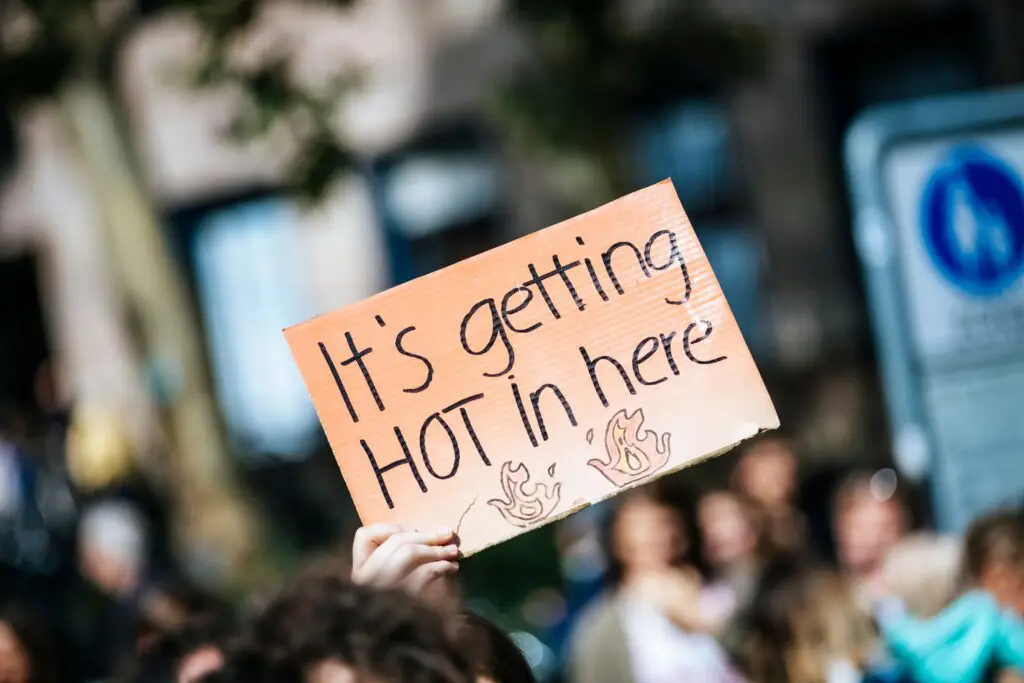
Food and planet
I began by asking Food Democracy CIC founder Haleh Moravej: What is Food Democracy’s view of the relationship between food and the planet?
“I don’t see food and planet as two separate conversations. They are one and the same.”
For Haleh, every meal connects us to the soil, biodiversity, climate, health and one another. She argues that we’ve spent too long treating food as a commodity, and this is a driver of climate change.
“The climate crisis is also a food justice crisis. For too long we have treated food as a product to buy and sell, rather than a living relationship to protect. We have extracted from nature instead of learning from it, and in doing so we have damaged both our ecosystems and our communities. ”
She believes the solution isn’t simply asking individuals to make better choices. Instead, we need systems that regenerate ecosystems, celebrate cultural diversity, strengthen local economies and give communities genuine power to shape the future of food. And this is why Food Democracy CIC exists.
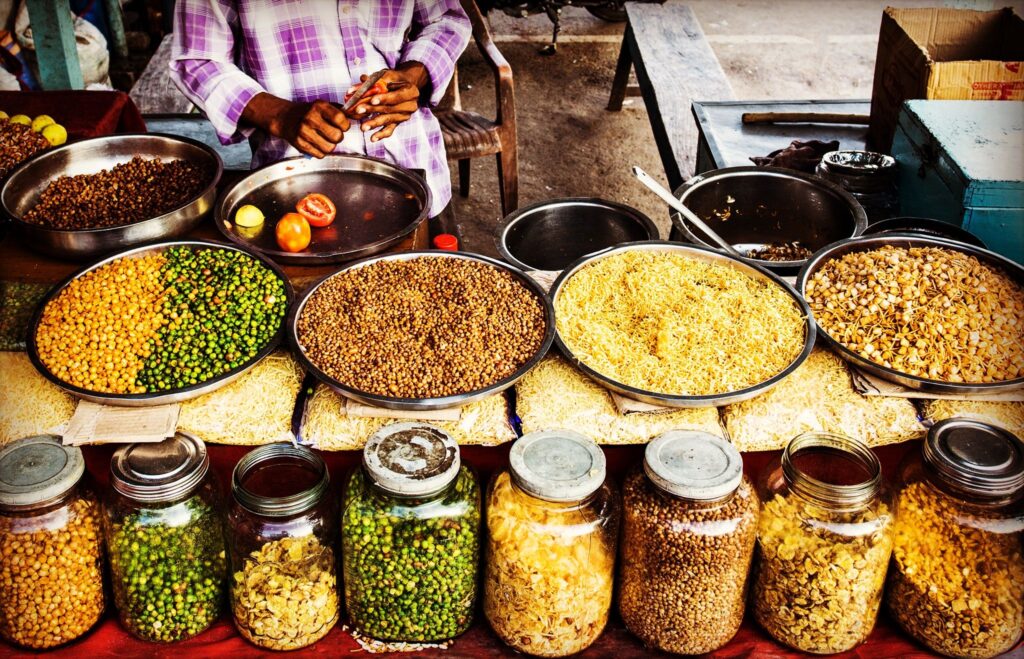
For me, Haleh’s most powerful point is that protecting the planet isn’t about saving nature from people. Despite many of us leading busy, urban lives, we are a bigger part of natural ecosystems than we sometimes remember.
Food as a justice issue
Haleh’s thoughts lead me to consider that people are not impacted equally by climate degradation. Those who live in greater harmony with nature often experience the worst impacts of climate change, despite being less responsible.
I wanted to know what conversations we should be having about food justice as we adapt to climate change. Justice Designer Eloise Smith-Foster believes climate change exposes inequalities that have existed for generations.
“Historically marginalised communities and households with low incomes often face barriers to accessing high quality and locally grown food. This might be because they live in neighbourhoods with limited green space and polluted soil, don’t feel safe on the land due to hostile and discriminatory behaviours, or don’t have access to the time, resource or energy needed to buy or grow high quality food. These systemic issues prevent people from accessing or growing their own fresh, local and affordable food when it should be a fundamental human right – as Food Democracy is advocating for!”
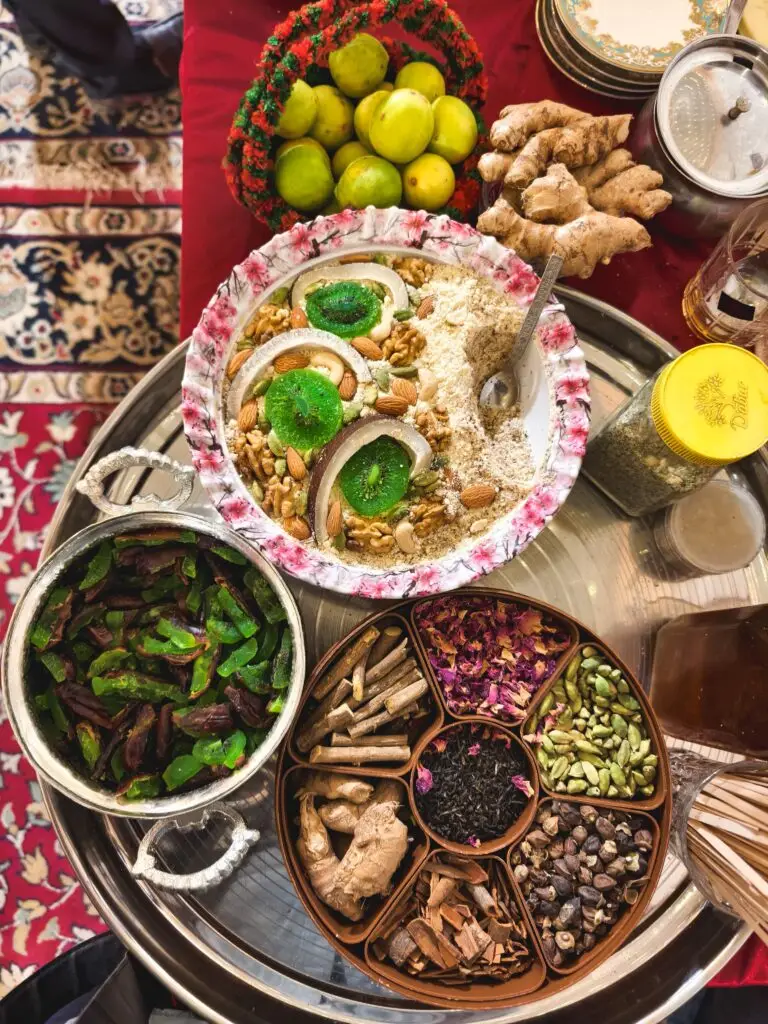
This is a deeply political problem. With a different land ownership situation, community growing and food production could be wide-scale rather than in isolated pockets, creating food security and protection from volatile global markets. Eloise notes that:
“Around 1% of the population owns half of England’s land” and “Only around 8% of land in England is open access to the public” . She argues that ownership inequalities make it much harder for communities to grow food locally and build resilience.
“More safe, regenerative and climate resilient futures for all can only be achieved through greater rights and access to land. This would enable much more significant localised growing and food production, rather than relying on food imports from abroad. ”
This perspective reminds us that justice is about more than individual choices. The choices we make, and the agency we have to change our behaviours, are constrained by political and economic systems.
Connecting to food, connecting to climate
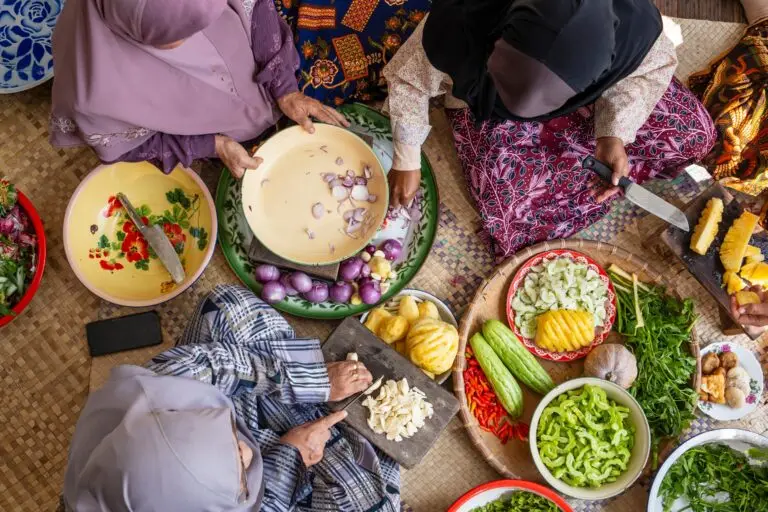
Cultural Historian Jenna Ashton explores food through the lens of living cultural heritage. This is an exciting perspective to me. If there is a connection between food and identity, this means that there is potential for people to connect with ecosystems, nature and the challenge of climate change – through their relationship to food.
“Food offers a powerful way for people to reconnect with place. It makes visible the relationships that sustain life – between people, land, water, plants, animals, and the wider environment. ”
As an amateur food grower, this resonates with me. Simply growing vegetables from seed forces you to think about water, heat, pollination, space – all things impacted by a changing climate.
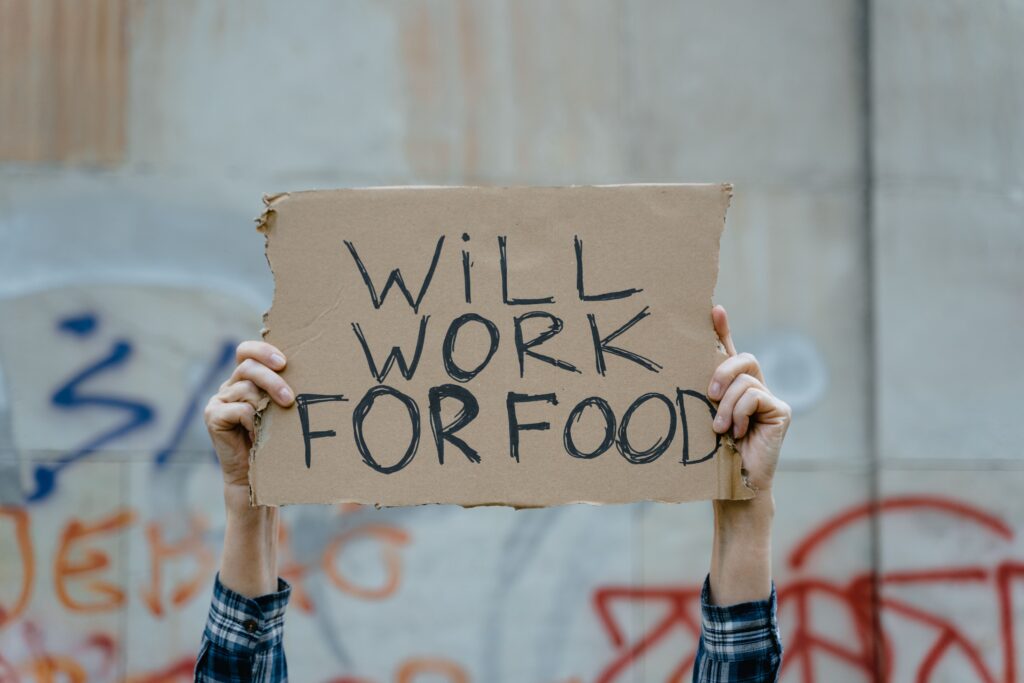
What we lose when climate change disrupts our food systems extends beyond sustenance. Damaging industrialised food systems also disrupt food cultures. The more we separate people from food at its source, the more we lose cultural identity, local knowledge and our understanding of the environments that sustain us.
Her work reminds us that growing, sharing and celebrating food are all ways of rebuilding our relationship with nature and with each other.
Think global, act local
So far, we have heard how vital it is to celebrate the natural ecosystems that we depend on for sustenance, culture, and enjoyment. When we recognise the importance of this, we can see more clearly the issues with industrialised food production, unequal land distribution and the commodification of food. But what is to be done about this? The answers may be found in the community.
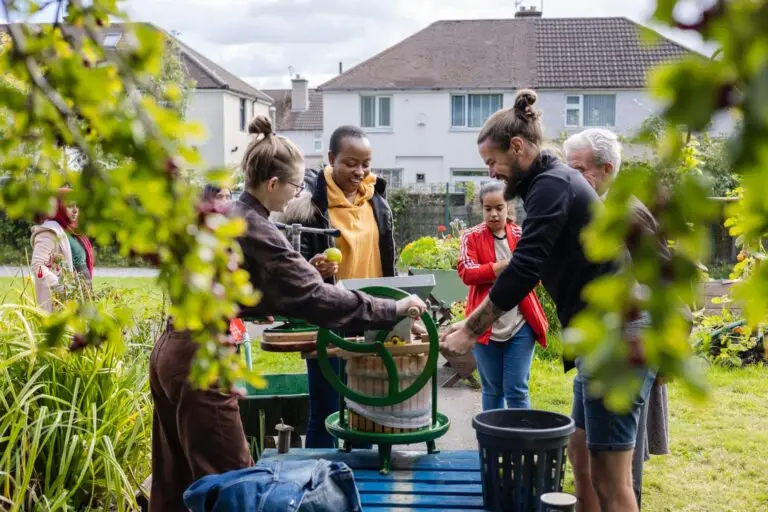
As supermarket prices rise and supply chains become increasingly uncertain, many communities are already creating local solutions. Community gardens, food-sharing projects and local growing initiatives improve access to affordable, healthy food and create authentic community connections that Jenna demonstrates the importance of.
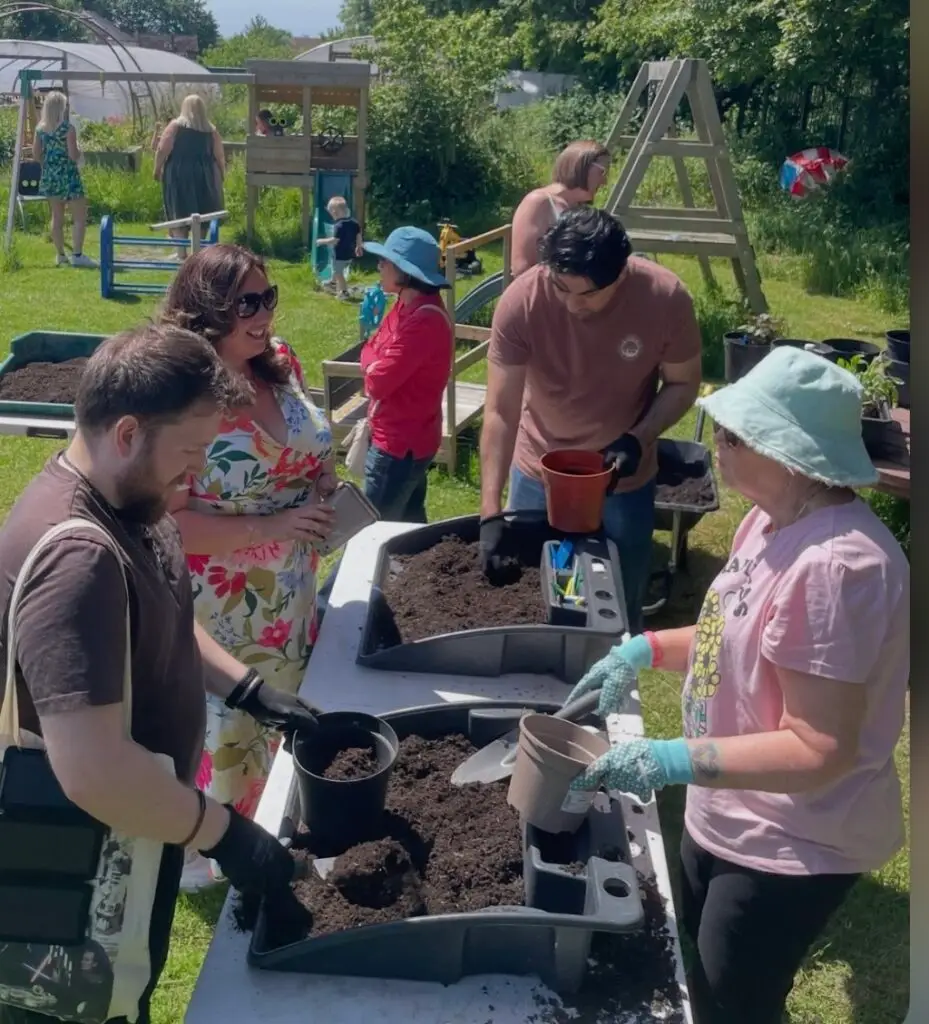
Community Gardener Victoria Holden shared her experience of the role that community projects play in building food resilience.
“Food resilience is both practical and educational: harvests that feed people now, communities becoming connected to each other and skills that empower them long into the future.”
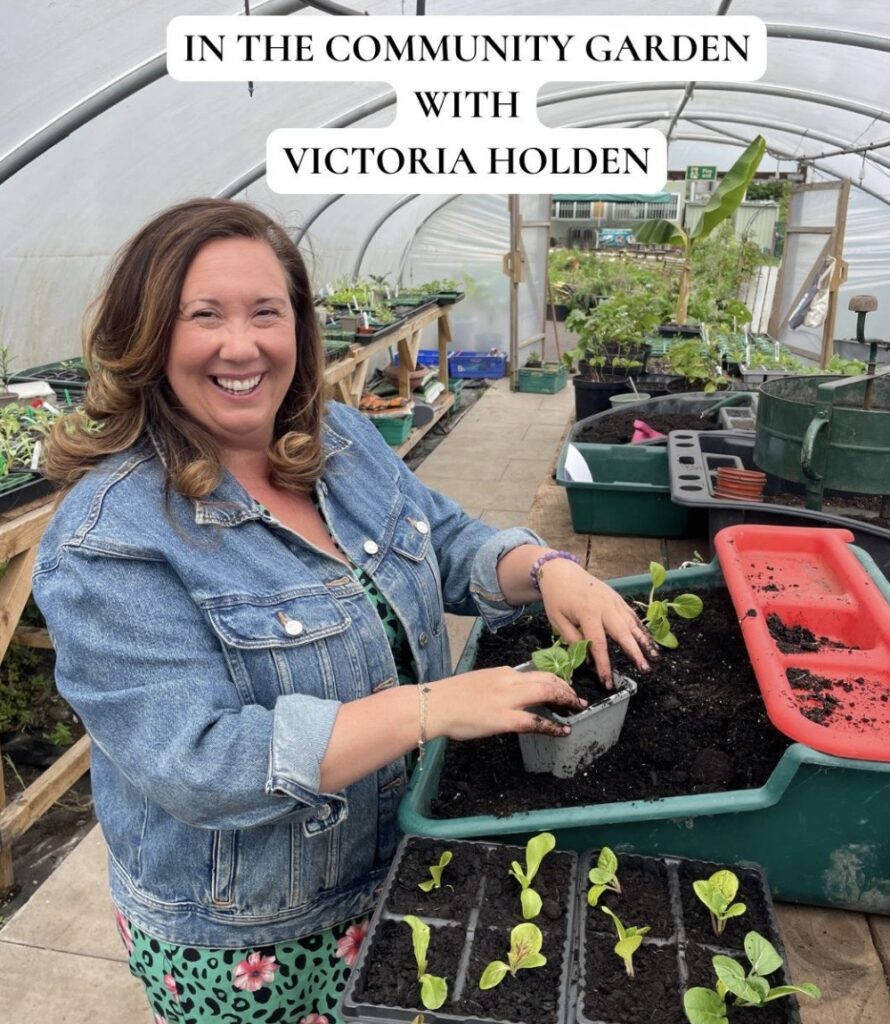
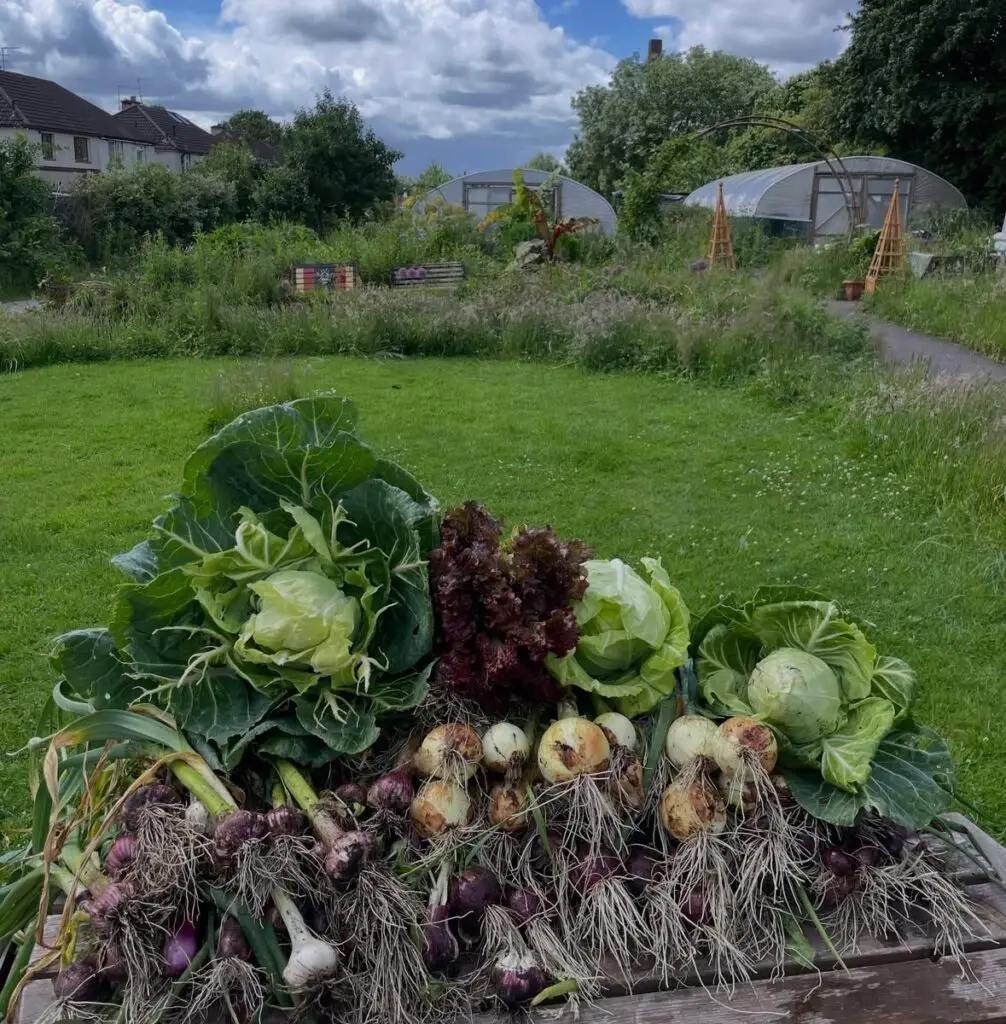
She highlights Northern Lily, a social enterprise in Greater Manchester, which produces over a tonne of chemical-free food each year while teaching people the confidence and skills to grow food themselves.
“When communities grow together, they become more resilient, connected and capable.”
The scale of the climate challenge can seem overwhelming. Acting locally means you can actually see the impact of your work in the local community, whilst being a small part of a global effort to restore our relationships to nature.