The first bite that reminds you of a family recipe. The warming smell of soup simmering. Even just the sound of onions hitting the oil. Food can have an almost unbelievable influence on our ability to remember a certain time, place, or moment. So when migrants and refugees are living far from the places they were born, food is a powerful tool to maintain social and cultural ties to places of origin, whilst building connections in a new community. Food Democracy sees food as a powerful way to build healthier, more inclusive communities that are open to people from across the world.
Having a home and a job are not the only things we need to feel like we belong somewhere. Belonging is essentially about connection, which language barriers, discrimination, financial pressures, or being separated from loved ones can make difficult. Simple everyday experiences, such as celebrating a traditional holiday without family or struggling to find familiar ingredients at the local supermarket can become reminders of what has been left behind. Belonging is built through shared experiences, and lots of these experiences have cultural ties.
This is where the value of food is clear. A familiar recipe can carry memories of childhood,
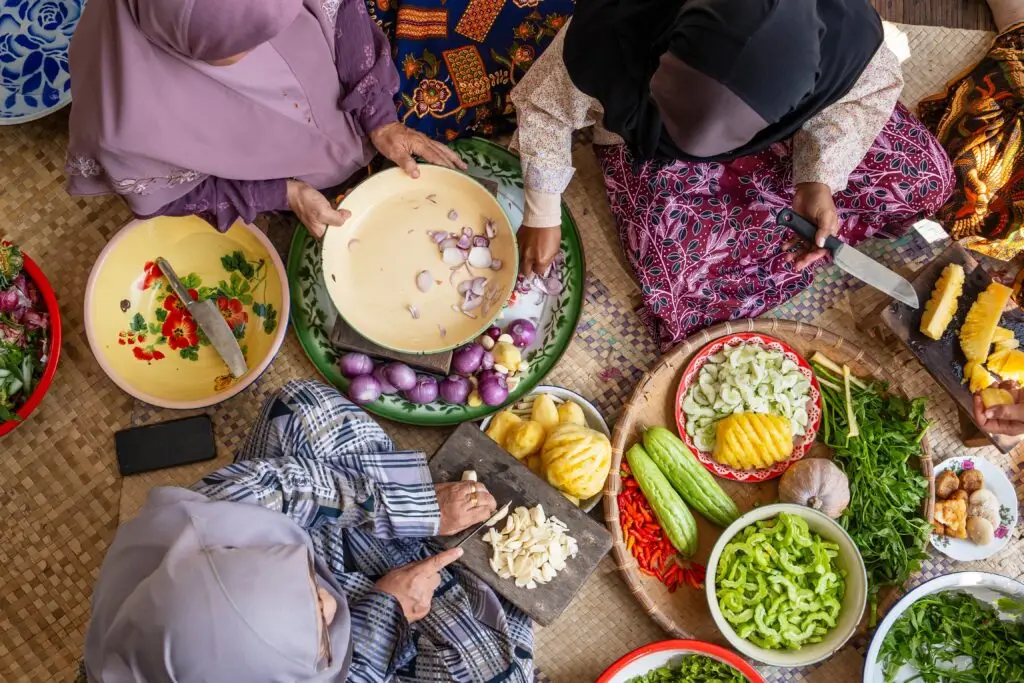
family gatherings, and cultural traditions, offering comfort during times of change. Preparing and sharing food allows people to preserve traditions, pass stories between generations, and create opportunities for connection with new neighbours and communities. Whether it is baking bread using a family recipe, sharing a meal during a religious celebration, or introducing neighbours to dishes from another part of the world, food helps people express who they are. Belonging, that is so hard to find, can be found at the table.
By creating inclusive spaces where everyone has a seat at the table, communities can foster meaningful relationships and ensure that migrants and refugees feel welcomed, valued, and able to contribute to the places they now call home. Community cooking classes, shared gardens, neighbourhood dinners, food festivals, and local markets can all provide welcoming spaces where people come together to exchange recipes, stories, and traditions. These moments allow newcomers to share an important part of their identity while learning about the cultures around them.
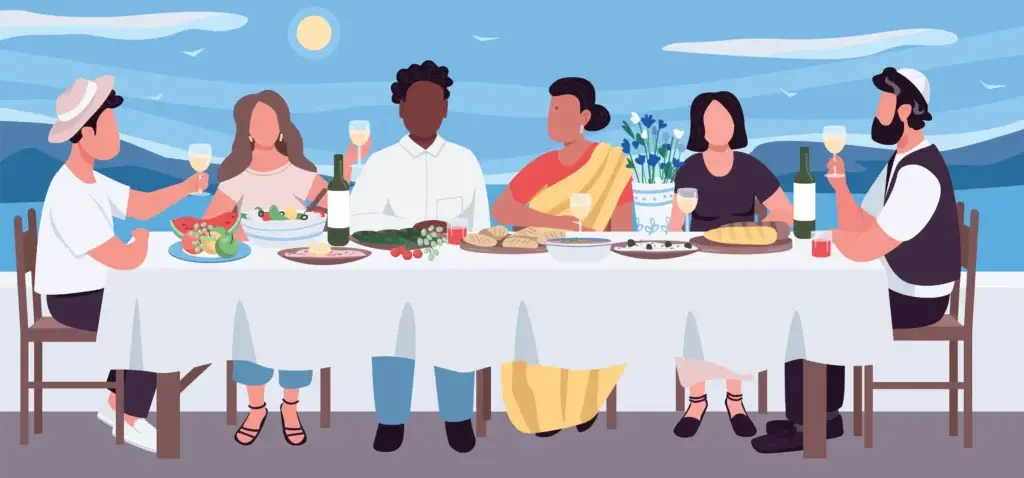
Manchester – a city shaped by migration and food
Migration, diversity, and cultural exchange are central to the identity of Manchester, Food Democracy’s home. From the vibrant Curry Mile to the diverse food traditions found across Cheetham Hill, Longsight, and Moss Side, food tells the stories of the people that constitute the local community. Across the city, community food projects offer both connection to community and reminders of the cultures of others. Initiatives led by organisations such as Food Democracy Northern Lily demonstrate how food can foster belonging, mutual support, and active participation in local communities.
City-wide initiatives including Manchester Food Board, the Manchester Caribbean Carnival, and Manchester Day highlight the vital role food plays in bringing people together and celebrating Manchester’s rich cultural diversity.
Migrant-led community-building in Brighton
Jollof Cafe is a migrant-led community lunch project run by Sussex Refugee and Migrant Self Support Group in Brighton. It fosters collaboration and solidarity in the local community and offers a place for individuals and community groups to connect over shared meals. The idea behind Jollof Cafe aligns exactly with how we see food at Food Democracy. When attending the community lunches, there is a deep openness and warmth to the atmosphere. The project serves the community well, offering a space for connection, support and mutual aid. In the past I took part in a project run at Jollof Cafe to help newly arrived refugees to integrate into our community, supporting with lawyer and doctor forms and working with them to understand what else was needed for an easier transition.
What stood out was that these conversations happened naturally because people had come together to share food. Food that gives a focal point to the gatherings, reminds people of home, makes them feel comfortable in their new one, and starts conversations that can create material change to people’s lives. Food reminded people of home, encouraged conversations between strangers, and became the starting point for friendships, practical help, and community-building.
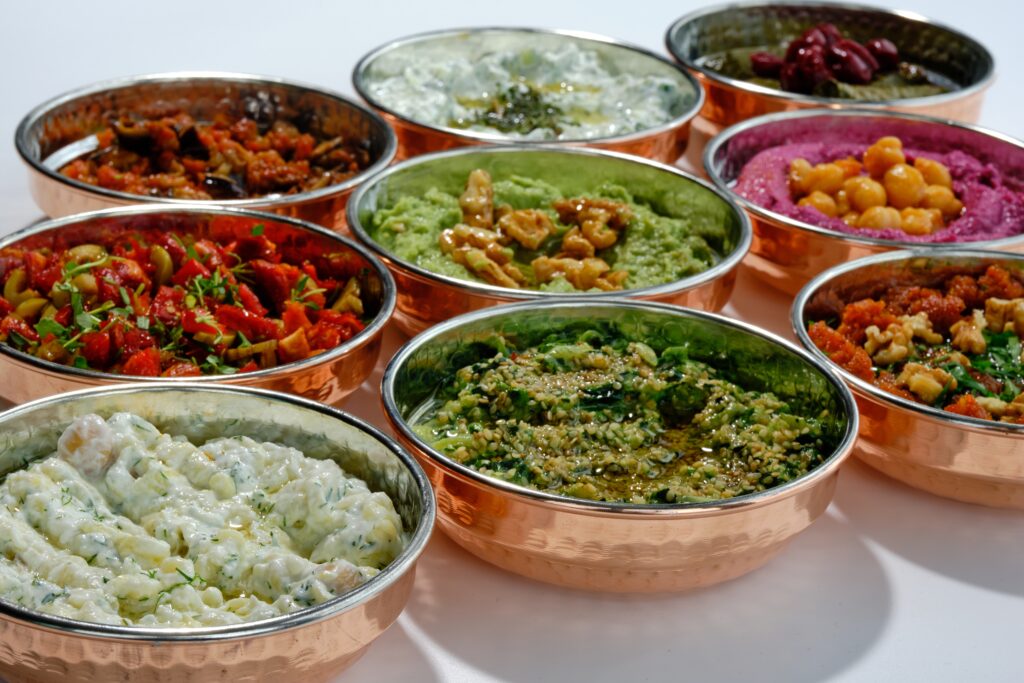
I was lucky enough to ask Jollof Cafe some questions about why food is so important to them and what they do.
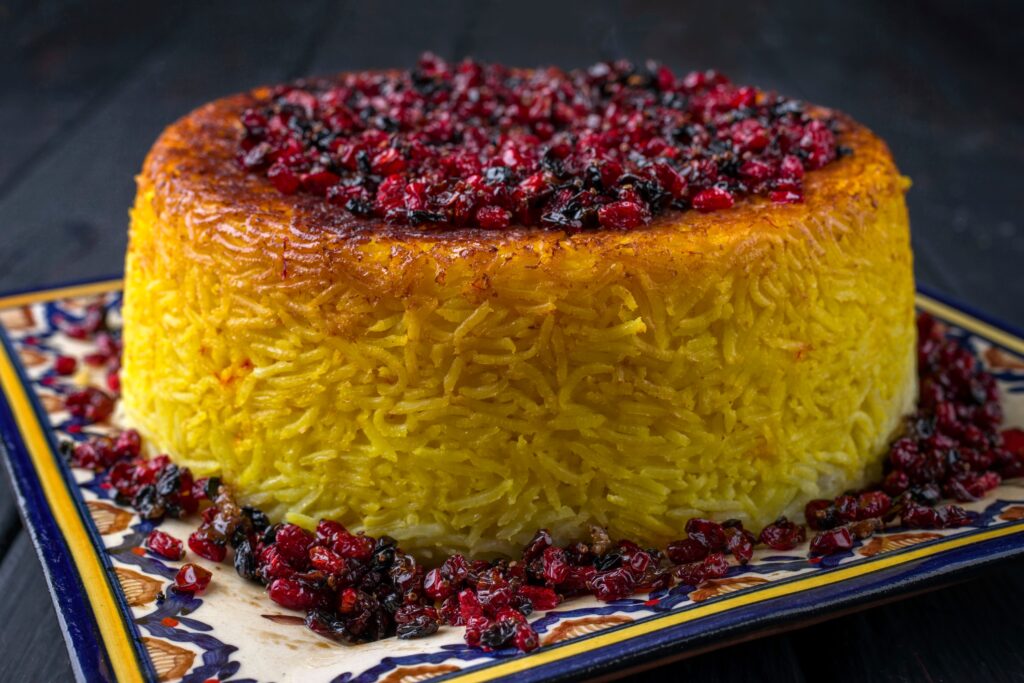
The idea of food and cooking as a universal language stuck out to me. At Jollof Cafe I have met people from Jamaica, Iran, Ukraine, Syria, Morocco and countless other countries. People that have had lives that are completely different from my own and from each other. People that speak different languages to myself and to each other. But sitting together to eat a dish from someone’s country or culture creates an instant relatability.
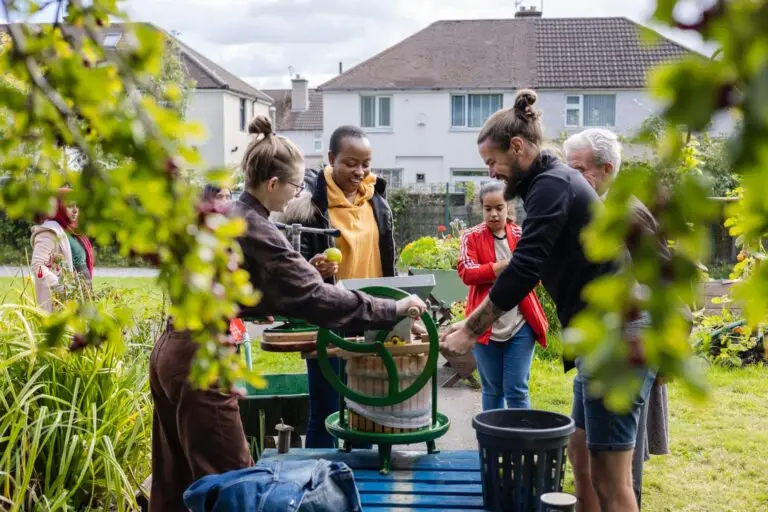
At the other end of the country in Manchester, food creates the same value to the diverse community. Around kitchen tables, in community gardens and at cooking classes, food creates opportunities for connection despite differences. Communities are healthiest when they can find similarities and alignment whilst celebrating these differences, and this is the opportunity that food presents us.