At Food Democracy we believe that food is key to helping us understand the systems and dynamics that shape our lives. The food is just the starting point. It could be a simple communal meal or an hour spent gardening, but it can lead us to think about who gets what, and why. Through these articles, we will take a look at different food-related topics, and in doing so we will explore new ways of thinking about how we live with food, each other, and the planet.
We have a strange relationship to food in the modern world. Finding the time, space and knowledge to take an active role in what we eat is hard. Most of us only exist at the end of the supply chain, rather than having involvement in or awareness of how food is grown or distributed.
Time, money and accessibility stop us having a deeper connection to what we eat. A white bean casserole recipe might be touted as ‘affordable’ but the local shop probably doesn’t stock cannellini beans, so you’ll need to venture to the expensive organic shop. You might find some spinach at the supermarket, but you definitely don’t have time or space to grow it yourself. The recipe says to use Extra Virgin Olive Oil, but the cheapest bottle is £14. The dish will take over an hour to make, whereas something frozen and processed will be ready in 15 minutes.
The food system turns us into consumers, disengaged from the natural world and the systems that put food on the table. When we see ourselves just as consumers, we act like consumers. We just see the product on the shelf. We are less likely to think critically about what has to happen for food to get to our table; the people, the time and the energy involved.
Even when we do care about the food system, we are limited as consumers. Consumption is an individual act, where the only voice we have is through how we choose to spend our money. Animal wellbeing, healthy food choices, sustainability and food workers rights are all becoming things that we consider more as we shop. But our ability to influence these outcomes via our spending alone is small.
When the food system is failing to meet so many people’s needs, just putting food on the table becomes the priority. A 2018 study found that 1.2 million people in the UK are living in ‘food deserts’ where affordable fresh fruit and vegetables are inaccessible because of poverty, poor transport and food availability. Last week, supermarkets were asked to consider voluntary price caps on key food items by Ministers. People who can’t afford healthy food have little time for navel-gazing into the intricacies of the food system. Right?
The power of community
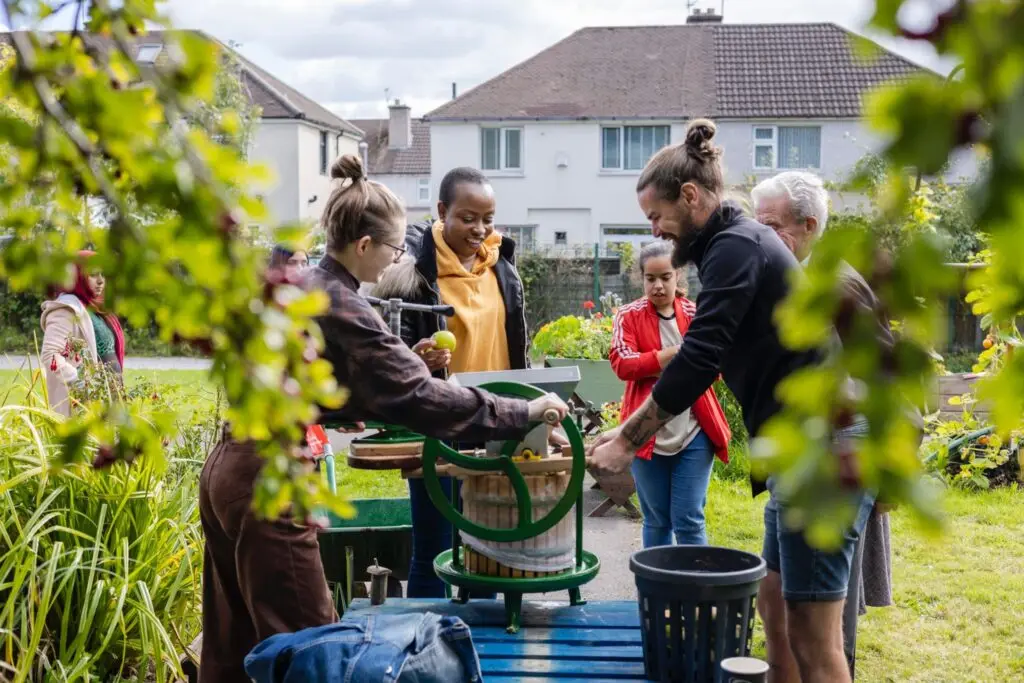
Despite the systemic barriers, there are still ways to take a more active role in the food system. In fact, it is needed more than ever. The more you engage in the food system, the more you think like a citizen rather than a consumer. Being a citizen is to be part of a community, and this is where we can begin to build power. Community initiatives all over the world show us the value of taking things into our own hands. These projects don’t just tackle the immediate urgency of the food crisis. They help us to learn where food comes from, how it gets to us, and how to build the skills to cook affordable, healthy food for ourselves and each other.
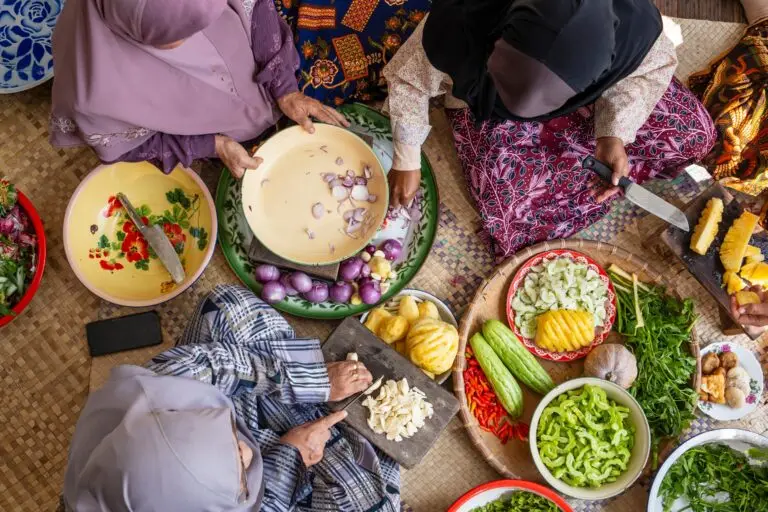
Getting involved in the food system via the community can take many forms. It might involve planting vegetables in a community garden, sharing your knowledge in a community cooking class, providing spare items to a food or seed bank, campaigning for greater and more equitable access to land, or planning food salvage and distribution with a local food waste organisation.
In this way we see what it takes for the vegetables to grow from seed. We see what gets needlessly thrown away. We are forced to care about soil quality, and might ask why big agriculture companies don’t seem to care about this too. We are led to think about why some people can buy organic, regenerative food, and some people can’t. We might even think about what policy changes we might need to see, for a fairer food system.
Community organising solves more than one problem. Primarily, it helps to address people’s immediate material needs. By working directly with the local community, you can understand what the actual problems are: food being too expensive, supermarkets being too far away or inaccessible, lack of time or ability to cook healthy food. These things are easier to tackle together, pooling time, resources and money to build power as a collective.
But also, engaging in community organising helps us to understand why these problems exist in the first place. When we see others have the same lived experiences as us, we can begin to join the dots. This is a key shift from thinking as a food consumer to thinking as a food citizen.
There are thousands of examples of food-based collective action all over the UK. In Brighton, the Surplus Food Network works with local communities and businesses to redirect food going to waste, turning it into healthy, tasty meals for those who need it. Granton Community Gardeners in North Edinburgh manage a space where community members can learn about growing vegetables, participate in social events, and access healthy food. Food Democracy CIC is playing its own role in this movement, designing food-based workshops and community sessions that are deliberately designed to instigate conversations about the systems that shape our lives. These are not millionaire-backed projects; they are everyday people working together to provide healthy, affordable food for their communities when the system fails to do so.
The pathway from community organising to system thinking is clear. When we connect to food and to each other, we begin to recognise what is not working, from rising food insecurity to the loss of local growing spaces. But we also see the strength that already exists within our communities. Across neighbourhoods, people are transforming unused land into community gardens, running affordable vegetable box schemes, rescuing surplus food that would otherwise go to waste, and organising shared kitchens where neighbours cook and eat together. These things may seem ordinary and insignificant, but together they are building true power, and that is where real change can happen. Many people are already closer to this work than they realise. What is already happening in your community to build a more resilient food system, and how can you get involved and become an active food citizen?